



Haiti
1,287,593.
Never before has Haiti recorded this many internally displaced persons (IDPs) within its borders, according to a new report released by the International Organisation for Migration (IOM).
The root of these dramatic population movements lies in the gang violence, which has held the country in its grip for several years now. But the number of armed attacks, kidnappings, rape cases and sexual violence have made the situation unbearable for large parts of the population.
While most armed gangs operate in the capital, Port-au-Prince, the violence has been spreading to the countryside and other parts of the country - also increasing refugee numbers there.
"As more people are forced to flee, the number of spontaneous displacement sites is also rising. Since December, these sites have jumped from 142 to 246. The sharpest increase is in areas that previously had none, like the Centre department, which now hosts 85 sites," notes the IOM.
The Centre and North departments saw the largest increase in IDP numbers, and 77% of IDPs continue to be hosted in the provinces outside the capital.
The humanitarian situation has worsened in the face of this crisis: with refugee numbers putting a strain on local infrastructure and resources, many face a life without access to schools, healthcare or clean water.
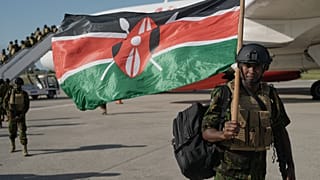
International efforts to curb the violence have so far not yielded the results that governments and Haitians alike hoped for. A Kenyan-led police mission is currently the main international force deployed to fight the gangs.




01:00
Chong Kal camp sees surge in displaced families amid Cambodia-Thailand conflict
00:03
Floodwaters devastate Gaza camps amid ongoing humanitarian crisis
00:58
M23 rebels claim control of Uvira in eastern Congo
00:13
100 Nigerian schoolchildren back home after kidnapping
01:12
Mozambique: surge in violence displaces more than 100,000 people
01:33
UN sounds alarm as violence in northern Mozambique forces over 100,000 to flee